

Introduction
For commercial landscape projects, planter boxes are more than decorative containers.
They affect the visual quality of the space, the efficiency of installation, the long-term maintenance cost, and the overall durability of the project.
This is why more architects, landscape contractors, real estate developers, and project procurement teams are paying attention to GRC planter boxes.
GRC, also known as glass fiber reinforced concrete or GFRC in some markets, is a cement-based composite material reinforced with alkali-resistant glass fibers. It is widely used in architectural and landscape applications because it combines the solid appearance of concrete with improved design flexibility and reduced product weight.
For buyers working on commercial plazas, rooftop gardens, hotel entrances, public spaces, shopping malls, residential developments, and streetscape projects, GRC planter boxes can offer a practical balance between appearance, performance, customization, and project feasibility.
This guide explains what GRC planter boxes are, where they are used, how they are made, what advantages they provide, what limitations buyers should understand, and how to evaluate a suitable supplier for commercial projects.
What Is a GRC Planter Box?
A GRC planter box is a precast planter made from glass fiber reinforced concrete.
The material usually consists of cement, fine aggregates, water, admixtures, pigments, and alkali-resistant glass fibers. The glass fibers improve the toughness and performance of the cement-based matrix, allowing manufacturers to produce thinner and lighter sections compared with many traditional concrete products.
For commercial projects, this material structure is highly relevant.
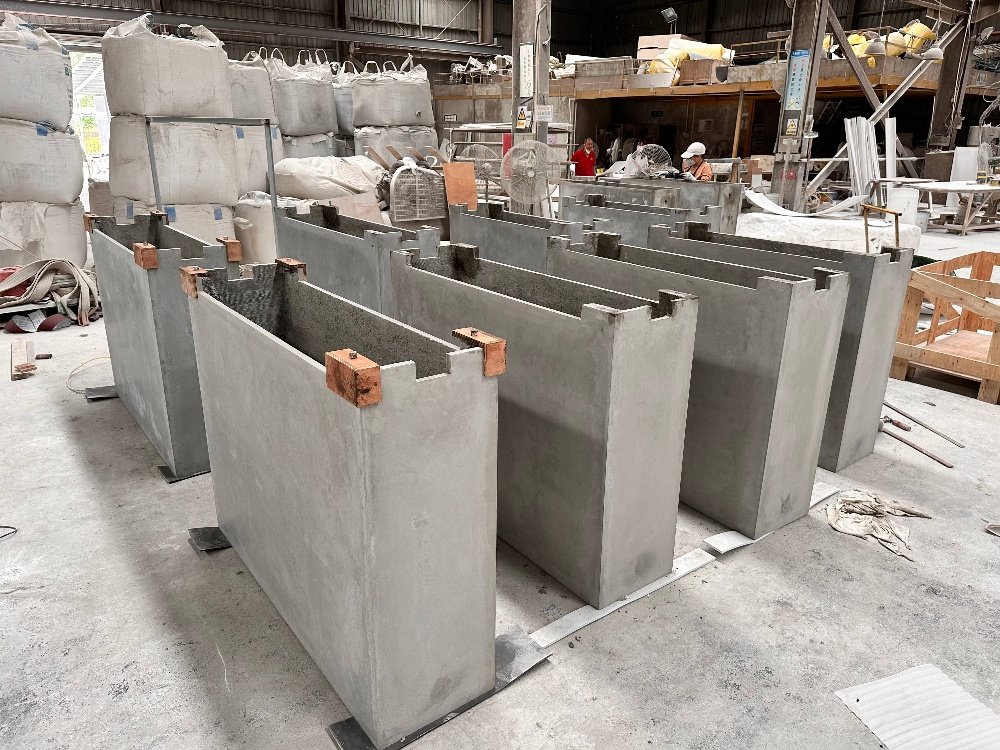
Large planter boxes need to perform in several ways at the same time. They must hold soil and plants, support drainage, resist outdoor exposure, maintain visual consistency, and meet project-specific dimensions.
Standard garden pots are usually selected by appearance and price.
Commercial GRC planter boxes require a more complete evaluation, including material quality, production method, drawings, finish control, packaging, shipping, and installation requirements.
GRC vs. GFRC: What Is the Difference?
GRC and GFRC generally refer to the same category of material.
GRC stands for glass reinforced concrete.
GFRC stands for glass fiber reinforced concrete.
The term GRC is commonly used in the UK, Europe, Australia, the Middle East, and many international construction markets. GFRC is more commonly used in North America.
For buyers, the difference in terminology is not the main issue. What matters is whether the supplier has real experience in producing custom glass fiber reinforced concrete products for architectural and landscape projects.
When sending an inquiry, international buyers can use both terms:
Custom GRC / GFRC planter boxes for commercial landscape projects.
This can help suppliers quickly understand the required material category.
Why Buyers Choose GRC Planter Boxes
Commercial buyers usually consider GRC planter boxes because they need to solve specific project challenges.
These challenges often include product weight, outdoor durability, custom sizing, surface consistency, installation efficiency, and long-term appearance.

Reduced Weight Compared With Traditional Concrete
Traditional concrete planters can provide a strong and solid appearance, but their weight often creates practical limitations.
This is especially important for rooftop gardens, balconies, terraces, podium landscapes, elevated decks, and projects where lifting access is limited.
GRC planter boxes can often be produced with thinner wall sections while maintaining the required strength and appearance. This helps reduce the empty product weight and may improve handling, transportation, and installation efficiency.
However, buyers should still evaluate the total installed weight.
The total load includes the planter body, soil, water, plants, drainage layers, and any internal structure. For rooftop or elevated projects, the project engineer should always confirm the loading conditions.
Better Suitability for Outdoor Commercial Environments
Outdoor planter boxes must perform under changing weather conditions.
They may be exposed to sunlight, rain, wind, temperature changes, irrigation systems, cleaning chemicals, and frequent public contact.
Compared with some wood or metal planter systems, GRC provides a cement-based architectural surface that can be more suitable for long-term outdoor landscape applications.
The final performance depends on material formulation, production control, curing, surface finishing, drainage design, and maintenance conditions.
For this reason, buyers should avoid judging the product only by appearance. The supplier’s manufacturing process and quality control are equally important.
High Customization Flexibility
Many commercial projects require planters in non-standard sizes.
A project may need long rectangular planter boxes along a walkway, large round planters for a courtyard, irregular planters for a curved facade, or integrated planter bench systems for public seating areas.
GRC is well suited to custom production because it is made with molds.
This allows the manufacturer to control shape, size, edge profile, texture, drainage position, surface finish, and color.
For large projects, customization can help create a unified design language across the entire landscape area.
Common Applications of GRC Planter Boxes
GRC planter boxes are commonly used in commercial and architectural landscape projects where durability, scale, and visual quality are important.
Commercial Plazas
In commercial plazas, planter boxes are often used to organize space, define pedestrian areas, support greenery, and improve the overall environment.
Large GRC planter boxes can provide a strong architectural presence while maintaining a clean and modern appearance.
They are often selected for shopping centers, business districts, mixed-use developments, and public-facing commercial spaces.
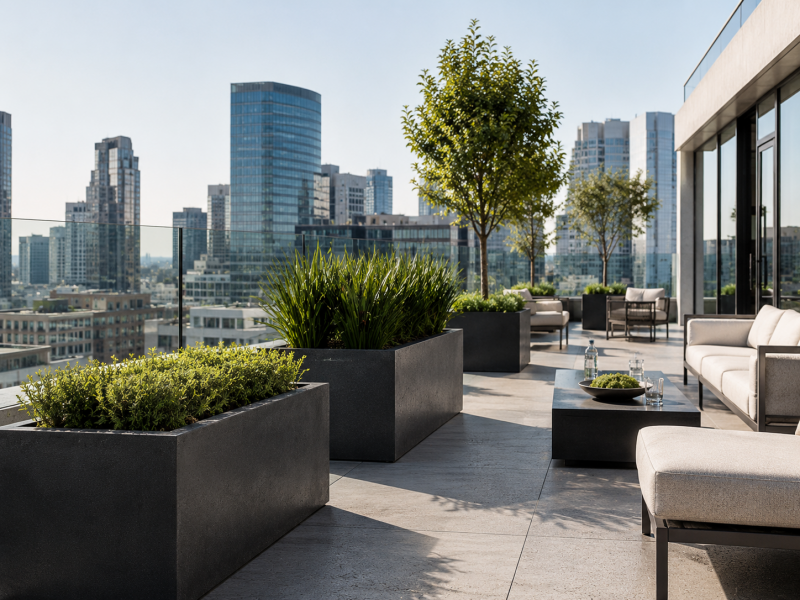
Rooftop Gardens and Terraces
Rooftop gardens require careful material selection.
Planters must be strong enough for outdoor use but practical enough for transport and installation on elevated structures.
GRC planter boxes can be suitable for rooftop applications because they provide a concrete-like appearance with reduced product weight compared with many traditional concrete alternatives.
For these projects, buyers should confirm planter weight, drainage details, waterproofing coordination, and installation access at an early stage.

Hotels and Resorts
Hotel and resort projects often require planters that support a premium design atmosphere.
Planter boxes may be used at entrances, courtyards, pool areas, terraces, outdoor dining zones, and guest circulation areas.
In these projects, surface finish, color consistency, edge quality, and overall craftsmanship are especially important.
A well-made GRC planter can help reinforce the architectural identity of the space.
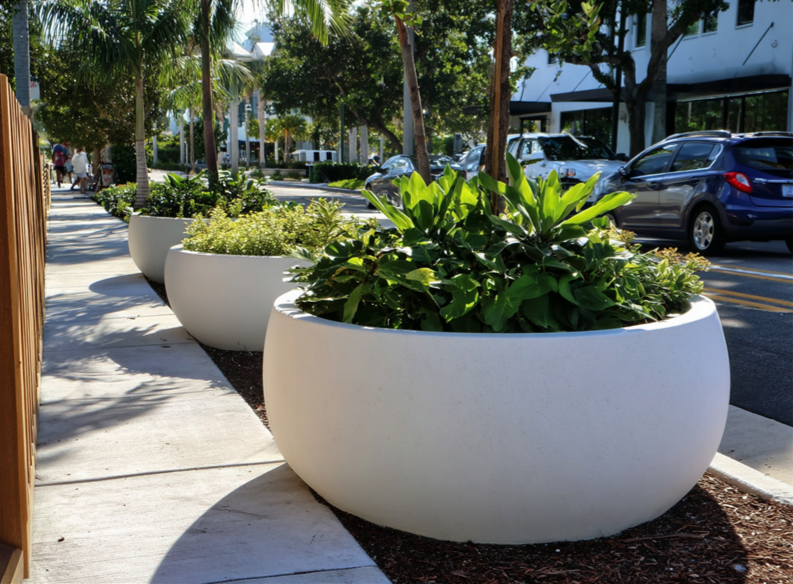
Public Spaces and Streetscapes
Public spaces require durable landscape elements.
Planters in streetscapes, parks, plazas, and municipal projects must withstand outdoor exposure and daily use.
GRC planter boxes can support large-format designs and customized urban landscape layouts.
They can also be combined with seating, barriers, tree planters, and other street furniture elements.
High-End Residential Developments
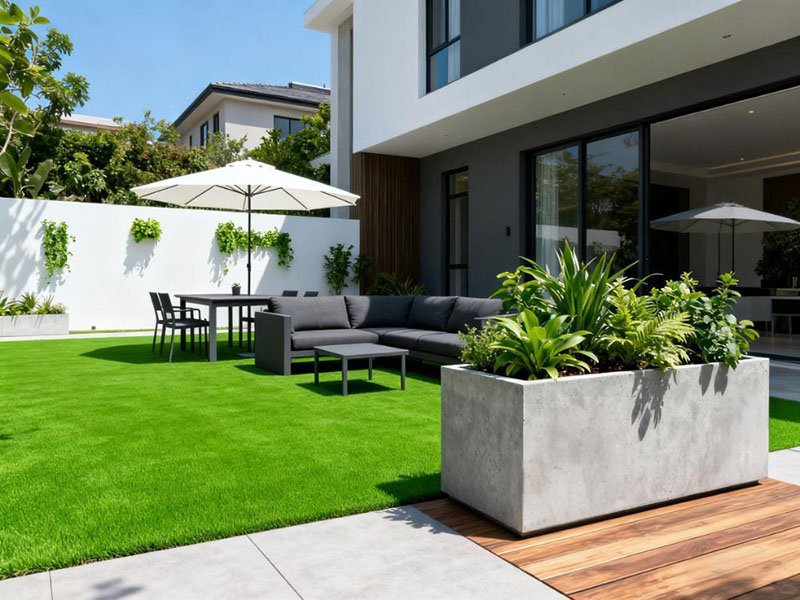
In residential developments, planter boxes are often used to enhance entrances, courtyards, balconies, terraces, garden paths, and communal outdoor areas.
For high-end residential projects, the planter should not look like an afterthought.
It should integrate with the building material palette, landscape design, paving, facade color, and overall project positioning.
Custom GRC planter boxes can help create this level of design consistency.
Key Advantages of GRC Planter Boxes
Lightweight Structure
One of the main advantages of GRC planter boxes is their reduced weight compared with many traditional cast concrete planters.
This is especially valuable when the project involves large planters, rooftop installation, limited lifting access, or long-distance shipping.
A lighter product may reduce handling difficulty and improve installation efficiency.
However, buyers should always request the estimated product weight before order confirmation.

Architectural Appearance
GRC provides a solid cement-based surface that works well with modern architectural and landscape design.
It can create a clean, minimal, and durable appearance suitable for commercial projects.
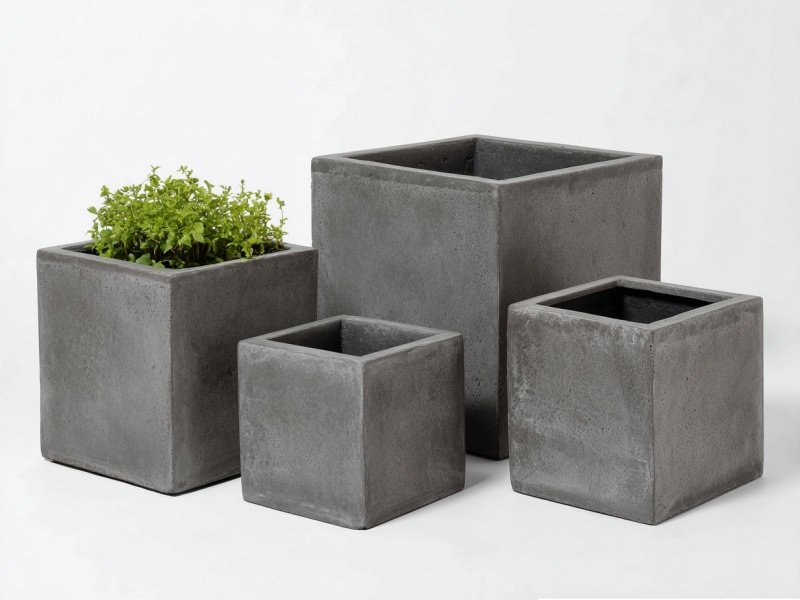
Depending on the mold and finishing process, GRC planter boxes can be produced in smooth finishes, textured finishes, stone-like finishes, sandblasted finishes, or custom color finishes.
Custom Size and Shape
GRC allows a high level of customization.
Common options include:
- Rectangular planter boxes.
- Square planters.
- Round planters.
- Long trough planters.
- Curved planters.
- L-shaped planters.
- Irregular-shaped planters.
- Planter bench systems.
- Large-format custom planter modules.
This flexibility allows designers and contractors to adapt the planter system to the actual project layout.
Outdoor Durability
GRC is widely used in architectural exterior applications.
When manufactured correctly, it can provide good durability for outdoor environments.
For planter boxes, durability depends not only on the material itself but also on drainage design, curing quality, surface treatment, thickness control, and maintenance conditions.
Buyers should ask the supplier how the product is designed for long-term outdoor use.
Design Integration
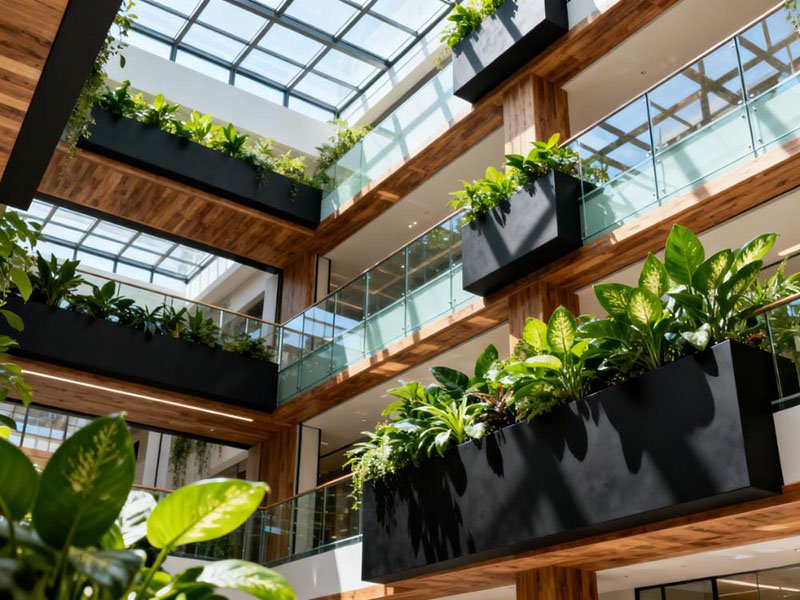
GRC planter boxes can be integrated into the overall landscape and architectural design.
They can match paving layouts, facade colors, outdoor furniture, planting zones, and public circulation routes.
For commercial projects, this level of integration is important because planter boxes contribute directly to the overall quality of the space.
Limitations Buyers Should Consider
GRC planter boxes offer many advantages, but buyers should also understand their limitations.
Proper Handling Is Still Required
GRC is strong, but it is not indestructible.
Large planter boxes can still be damaged if they are dropped, hit, poorly supported, or handled incorrectly.
This is especially important during loading, shipping, unloading, and site installation.
Export packaging and site handling instructions should be discussed before shipment.
Custom Production Requires Time
Custom GRC planter boxes are not standard stock items.
A complete custom order may include drawing review, shop drawing development, mold production, sample approval, production, curing, inspection, packing, and shipping.
Buyers should allow enough time for each stage.
A rushed order can increase the risk of errors in dimensions, finish, packaging, or delivery planning.
Color Variation Must Be Managed
Because GRC is a cement-based material, slight color variation can occur.
This may be affected by pigments, curing conditions, aggregates, surface finishing, and batch production.
For projects with strict design requirements, physical samples should be approved before mass production.
For large orders, buyers should define the acceptable color range with the supplier.
Drainage Design Is Essential
Planter boxes must manage water properly.
Poor drainage can affect plant health, create staining, increase maintenance problems, and cause water accumulation.
Drainage holes, internal waterproofing, raised base details, pipe connections, overflow systems, and planting layers should be considered during the design stage.

How GRC Planter Boxes Are Manufactured
The production process may vary by supplier, but most custom GRC planter projects follow a similar workflow.
Design Review
The supplier reviews the project requirements, including dimensions, shape, finish, color, drainage, installation conditions, and shipping destination.
This stage helps identify potential production or installation issues before the order moves forward.
Shop Drawing Development
For custom planter boxes, shop drawings are often required.
These drawings may include:
- Overall dimensions.
- Wall thickness.
- Rim profile.
- Base details.
- Drainage hole locations.
- Joint positions.
- Lifting or handling points.
- Embedded components.
- Installation notes.
- Packaging direction.
Clear shop drawings help reduce misunderstandings between the buyer, designer, contractor, and manufacturer.
Mold Production
The mold determines the final shape and surface quality of the planter.
The choice of mold material depends on the planter shape, quantity, texture, and required precision.
For simple shapes, the mold may be relatively straightforward.
For curved, irregular, or large-format planters, mold design becomes more important.
Poor mold quality can lead to dimensional errors, uneven surfaces, and production inconsistencies.
GRC Production
GRC products are usually manufactured through spray-up or premix methods.
The suitable method depends on the product design, performance requirements, and factory process.
During production, the supplier should control material batching, fiber distribution, layer thickness, compaction, surface quality, and curing conditions.
These controls directly affect the final product quality.

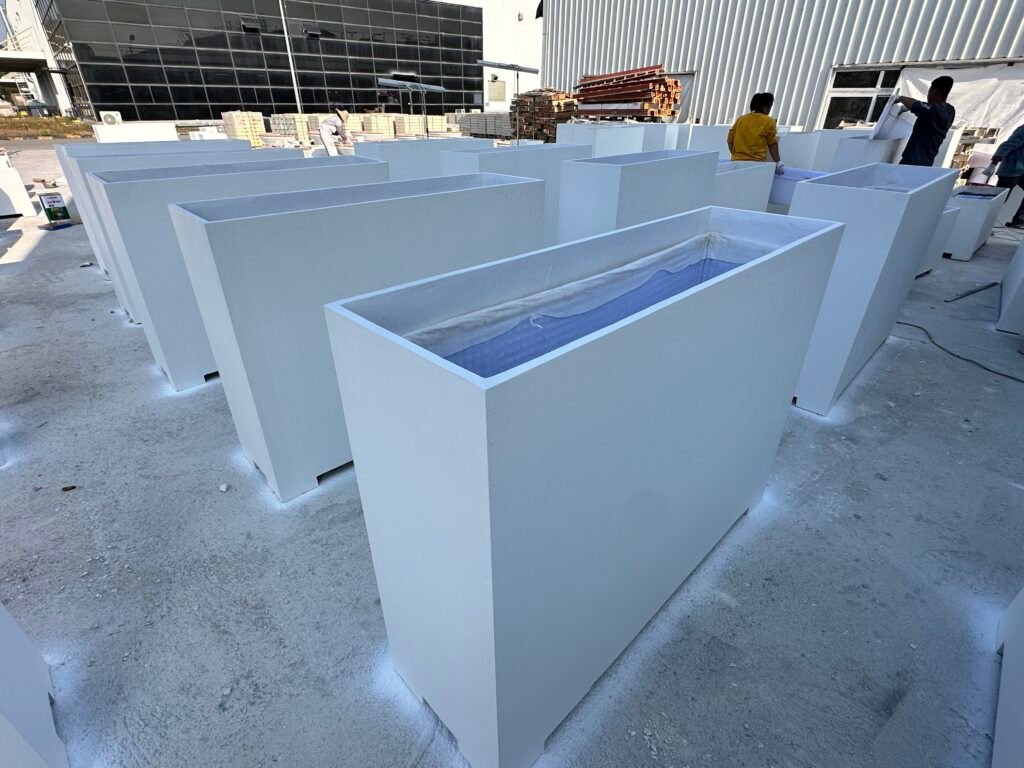
Curing
Curing is a critical stage for cement-based products.
Proper curing helps the material develop strength and stability.
If the product is demolded, moved, or packed too early, quality problems may occur.
Buyers should ask how long the planter boxes are cured before packaging.
Surface Finishing
After curing, the planter surface may be sanded, cleaned, coated, sealed, textured, or color adjusted depending on the approved finish.
This stage is important for architectural projects because the visual quality of the planter directly affects the final appearance of the landscape.
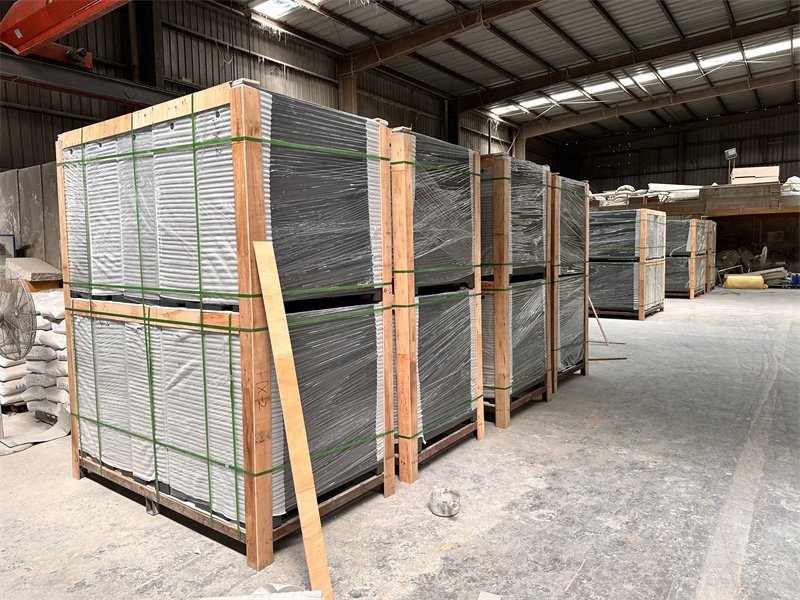
Inspection and Packaging
Before shipment, the supplier should inspect dimensions, surface finish, drainage holes, edges, color consistency, cracks, chips, and packing condition.
For export orders, packaging should be designed according to the planter size, shape, weight, and transportation route.
Strong packaging reduces the risk of damage during international shipping.
Quality Control Points for Buyers
Quality control is one of the most important parts of a GRC planter project.
A professional buyer should pay attention to the following points.
Dimensional Accuracy
Custom planters must fit the project site.
If the planter size is inaccurate, it may affect installation, alignment, drainage, or visual consistency.
Buyers should confirm the tolerance before production.
Wall Thickness
Wall thickness affects strength, weight, cost, and durability.
The supplier should control wall thickness according to the approved design.
For large planters, this is especially important.
Surface Finish
The surface finish should match the approved sample.
Buyers should check color, texture, edge quality, visible defects, and overall consistency.
For large projects, finish control should be managed across the full production batch.
Drainage Details
Drainage holes and base details should match the approved drawing.
Incorrect drainage placement can create problems during installation or use.
Packaging Quality
Export packaging should protect corners, rims, surfaces, and irregular shapes.
Buyers should request packaging photos before shipment.
For large orders, loading photos are also useful for record keeping.

How to Specify GRC Planter Boxes
A clear specification helps suppliers provide accurate quotations and better technical advice.
When sending an inquiry, buyers should prepare the following information.
Project Location and Application
The supplier should know where the project is located and how the planters will be used.
Examples include:
- Commercial plaza in Australia.
- Hotel entrance in Dubai.
- Rooftop garden in New York.
- Residential development in London.
- Streetscape project in Canada.
Location and application affect material selection, finish requirements, packaging, and shipping planning.
Dimensions and Quantity
Provide length, width, height, shape, quantity, and wall thickness if available.
If the design is still under development, provide preliminary drawings or sketches.
Finish and Color
Describe the required finish clearly.
Examples include:
- Smooth light gray concrete finish.
- Dark charcoal matte finish.
- Sandblasted texture.
- Stone-like finish.
Custom color based on sample.
If possible, provide reference images or physical samples.

Drainage Requirements
Confirm the number, size, and position of drainage holes.
Also clarify whether internal waterproofing, raised feet, pipe connections, or overflow details are required.
Installation Conditions
Tell the supplier how the planters will be installed.
Important details include:
- Site access.
- Lifting equipment.
- Rooftop or ground-level installation.
- Narrow access routes.
- Installation sequence.
- Coordination with paving or waterproofing works.
These details may influence product design, segmentation, lifting points, and packaging.
Shipping Destination and Trade Terms
Provide the destination port or delivery address.
Also clarify whether the order should be quoted under EXW, FOB, CIF, DAP, or DDP terms.
If the buyer is unfamiliar with international trade terms, the supplier should explain the available options clearly.
Cost Factors of GRC Planter Boxes
The cost of GRC planter boxes depends on multiple factors.
A reliable quotation usually requires drawings, dimensions, quantity, finish details, and shipping information.
Size
Larger planters require more material, larger molds, more labor, more curing space, and stronger packaging.
Size also affects shipping volume.
Shape Complexity
Simple rectangular planters are usually easier to produce than curved or irregular planters.
Complex shapes require more mold work and more production control.
Quantity
Larger quantities can reduce the average mold cost per unit.
Small custom orders usually have a higher unit cost because mold and setup costs are spread over fewer pieces.
Finish Requirement
Special colors, textures, coatings, or stone-like finishes may increase production cost.
Strict color matching may also require additional sample work.
Packaging
Export packaging is an important cost item.
Strong packaging can reduce damage risk and protect the buyer’s project schedule.
Shipping
Planters are bulky products.
Even when the body weight is reduced, shipping volume can still be significant.
A good supplier should consider container loading efficiency during packaging design.
GRC Planter Boxes vs. Other Materials
GRC vs. Traditional Concrete
Traditional concrete provides a solid appearance but is often heavy.
GRC can provide a similar architectural look with reduced weight and better flexibility for custom designs.
GRC vs. Metal
Metal planters can create a clean modern appearance, but buyers may need to consider corrosion, dents, coating damage, and heat absorption.
GRC may be more suitable when the project requires a mineral, concrete-like, or stone-like appearance.
GRC vs. Wood
Wood planters provide a natural appearance but may require more maintenance in outdoor environments.
GRC may be a better choice for projects that need long-term durability and lower maintenance.

GRC vs. Fiberglass
Fiberglass planters are lightweight and can be cost-effective.
However, some commercial projects prefer GRC because it provides a more solid architectural appearance and a cement-based surface texture.
Common Buying Mistakes
Focusing Only on Unit Price
The lowest unit price does not always lead to the lowest project cost.
Buyers should consider mold cost, packaging, shipping, installation, damage risk, maintenance, and product lifespan.
Ignoring Shipping Volume
Planters can occupy significant container space.
Poor packing design may increase freight cost.
Buyers should ask the supplier to consider loading efficiency during the quotation stage.
Approving Color Without a Physical Sample
Photos can be affected by lighting and screen differences.
For important projects, physical samples are more reliable.
Forgetting Drainage Details
Drainage should be confirmed before production.
Late changes may affect production schedule and cost.
Underestimating Packaging Requirements
International shipping involves multiple handling stages.
Proper packaging is essential for reducing damage risk.
Choosing a Supplier Without Project Experience
Custom GRC planter projects require more than basic production ability.
The supplier should understand drawings, molds, samples, QC, packaging, and export logistics.

How to Choose a GRC Planter Supplier
A suitable supplier should be able to support the buyer from design review to final delivery.
Check Similar Project Experience
Ask for previous project examples with similar applications, sizes, or markets.
A supplier with commercial landscape experience will usually understand the practical requirements better than a supplier focused only on small decorative products.
Evaluate Drawing Support
For custom projects, the supplier should be able to review drawings, identify production issues, and provide technical suggestions.
Review Sample Capability
Samples are important for confirming finish, color, texture, and overall appearance.
For large projects, sample approval should happen before mass production.
Confirm Quality Control Process
Ask how the supplier controls dimensions, thickness, material batching, surface finish, curing, inspection, and packaging.
Clear quality control reduces project risk.
Review Export Packaging Experience
Ask for packaging photos from previous shipments.
The supplier should understand how to protect large, heavy, or irregular-shaped planter boxes during international transportation.
Evaluate Communication Efficiency
Custom projects require frequent coordination.
A supplier with clear communication can help reduce misunderstandings and keep the project moving.
Buyer Checklist Before Ordering
- Before placing an order, buyers should confirm the following information:
- Project location.
- Application area.
- Planter dimensions.
- Quantity.
- Shape and drawings.
- Wall thickness.
- Surface finish.
- Color sample.
- Drainage design.
- Installation method.
- Estimated weight.
- Tolerance requirement.
- Mold plan.
- Production method.
- Curing time.
- Quality inspection process.
- Packaging method.
- Shipping destination.
- Trade terms.
- Lead time.
- Repair or maintenance support.
This checklist helps buyers communicate more clearly with suppliers and reduce unnecessary project risk.
Frequently Asked Questions
Are GRC Planter Boxes Suitable for Outdoor Use?
Yes. GRC planter boxes can be suitable for outdoor projects when the material, production, curing, drainage, and surface treatment are properly controlled.
Are GRC Planters Lighter Than Concrete Planters?
In many cases, yes. GRC can usually be produced with thinner sections than traditional thick concrete planters, which may reduce product weight.
However, the final weight depends on size, wall thickness, design, and reinforcement.
Can GRC Planters Be Customized?
Yes. GRC planter boxes can be customized in size, shape, color, texture, and drainage design.
This is one of the main reasons they are used in commercial landscape projects.
Do GRC Planters Need Drainage Holes?
Most outdoor planter projects require drainage holes or other drainage solutions.
The exact design should be confirmed based on plant type, soil system, installation location, and project requirements.
Can GRC Planters Be Used on Rooftop Gardens?
Yes. GRC planters are often considered for rooftop gardens because they can provide an architectural appearance with reduced product weight.
However, the project engineer should confirm the total load before installation.
Can the Color Be Matched to a Project Sample?
Yes. Many suppliers can produce custom colors based on project samples or reference images.
For important projects, physical sample approval is recommended before mass production.
Conclusion
From a supplier’s perspective, the most successful GRC planter projects are rarely decided by price alone.
They are usually the result of clear project information, early technical communication, approved samples, proper production planning, and strong packaging control.
For buyers, the key is to evaluate GRC planter boxes as part of a complete project system.
The product must meet the design intent, but it must also work in production, shipping, installation, drainage, maintenance, and long-term outdoor use.
A professional supplier should not only provide a quotation.
They should also help the buyer review drawings, confirm technical details, manage samples, control quality, reduce shipping risk, and support the project from inquiry to delivery.
In commercial landscape projects, planter boxes are highly visible elements.
When they are well designed and properly produced, they can improve the quality of the entire outdoor space.
That is the real value of GRC planter boxes.
They provide more than a concrete appearance.
They offer a practical, customizable, and project-ready solution for modern commercial landscapes.